Topic 5: Erosion, transport, and deposition
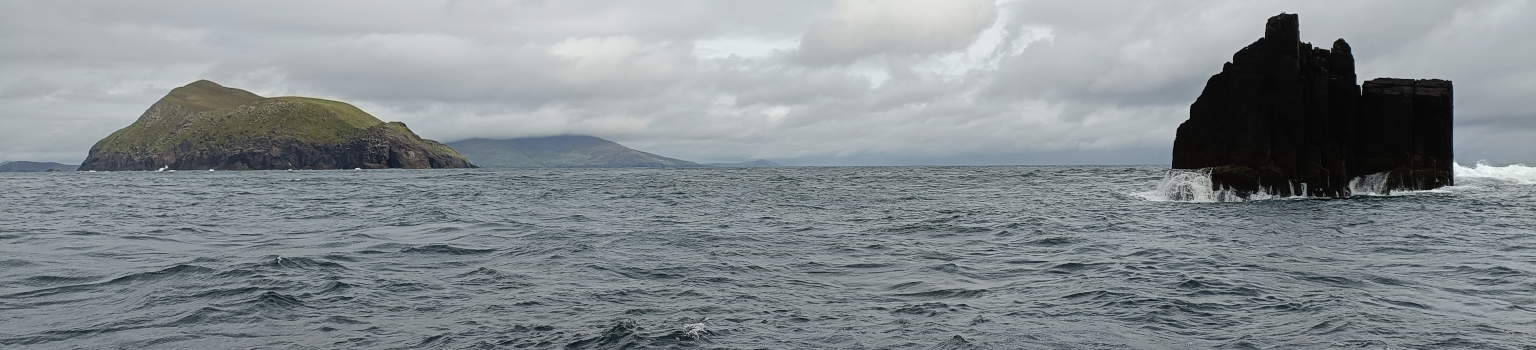
In this topic, we will look at how processes like wind and waves on the surface of the Earth lead to the erosion of mountains, and the transport and deposition of sediments. We’ll look at some sedimentary rocks, and think about how they have influenced society, particularly looking at how coal, oil, and gas are formed and extracted from these types of rocks.
Lecture
Lecture slides: L5 Erosion transport and deposition
Reading
I suggest reading Chapters 6-7 of Lutgens and Tarbuck 2015 Essentials of Geology. These are the chapters on weathering and sedimentary rocks.
An alternative is Chapter Five of Johnson, C., Affolter, M.D., Inkenbrandt, P., and Mosher, C. (2017) An Introduction to Geology. USA: Salt Lake Community College. This is likewise the chapter on Weathering, Erosion, and Sedimentary Rocks.
Additional
I would also like you to read a short paper on how sedimentary rocks have influenced society. While in the lecture my theme for this was oil and gas, there are many other ways in which clastic sedimentary rocks have been important throughout history, and this week’s paper is about one example you probably wouldn’t have thought of: Colfer, N. 2019. Turning Stone into Bread: The Millstone Quarries of Medieval and Post-medieval Ireland. Industrial Archaeology Review 41, 65-72.
If you’re curious what oil and gas wells are like, here’s a YouTube video showing video from inside drilled wells. You can actually see oil and gas coming up the borehole.
I also mention hydraulic fracturing, commonly known as fracking, in the lecture. Well…in previous decades, the USA and USSR both decided it would be interesting to try doing that with nuclear bombs. Here’s an excellent YouTube video about that, which also explains a bunch of stuff about oil and gas exploration, by a former drilling engineer. Nuclear Fracking: Repeatedly Nuking Yourself for Commercial Reasons. Well worth watching.