
| Home | Courses | Virtual Field Trips | Publications |
Virtual Field Trips
Fieldwork is by far the best way to learn about geography or earth science. Unfortunately, it’s not always possible to bring everyone to the field - but if I can’t bring you to the field, I can at least try to bring the field to you.
These virtual field trips comprise collections of videos and photographs recorded on location, in order to give you some insight into and understanding of these areas, and the associated topics.
Vulcani d’Italia
Natural Hazards
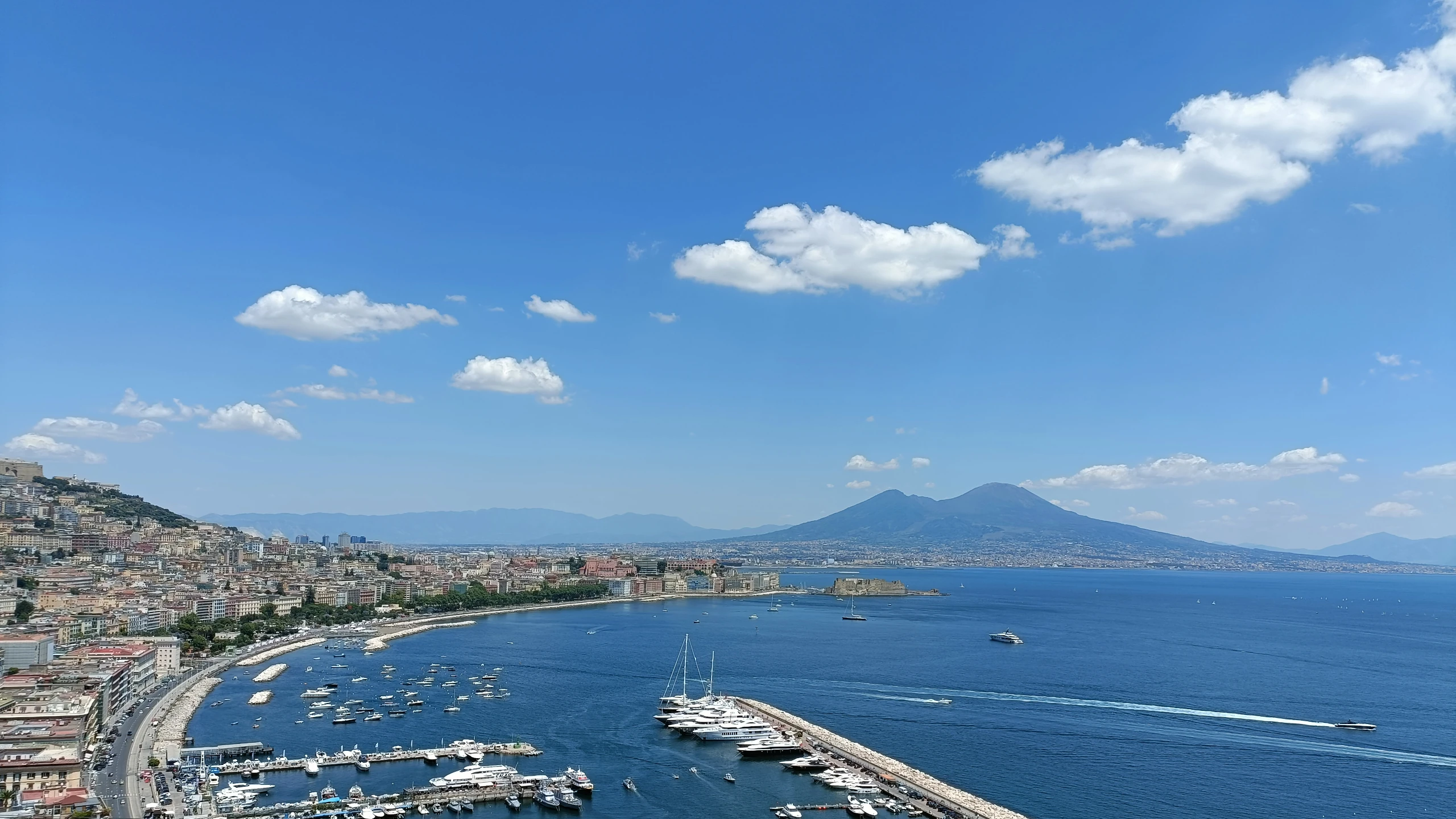
The Romans of Pompeii and Herculaneum thought they lived beside a beautiful mountain. And then it exploded. Now, millions live in Napoli and the surrounding area, taking the same risk as the Romans - but this time, they know about it. Worse, Vesuvio is only the second-most dangerous volcano in Naples.
Based around Napoli and Stromboli, this virtual field trip explores the natural hazards associated with volcanoes - and why people choose (or have no choice) to live with the risk. Includes Pompeii, Herculaneum, Vesuvius, Campi Flegrei, and Stromboli.
Geirangerfjord - Earth Science and Society
Earth Science
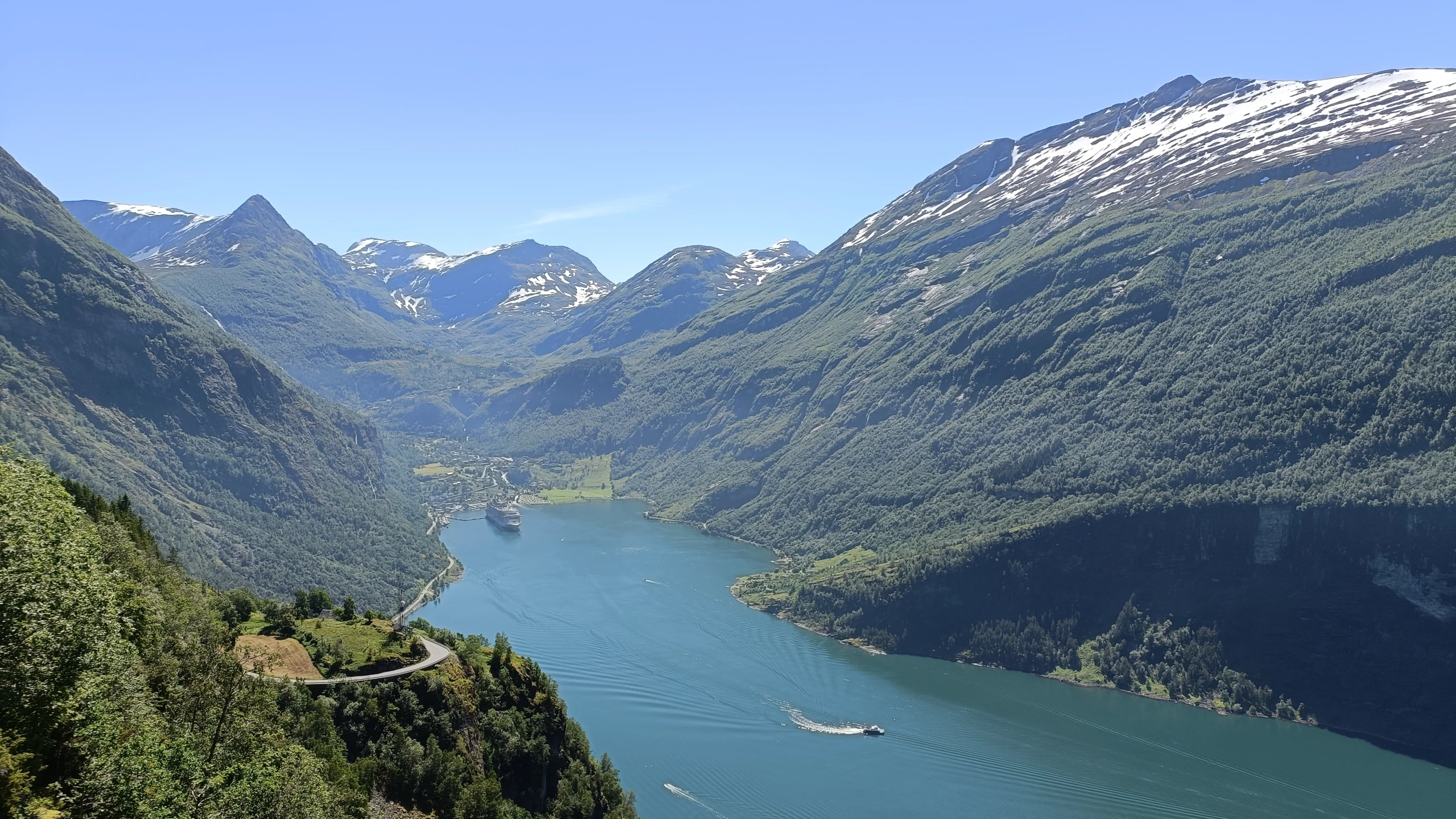
Based between Alesund and Geiranger in Norway, this virtual field trip explores some of the geology and geomorphology of the region, and how these have shaped society in the area.
Take the Earth Science and Society virtual field trip to Geirangerfjord →
Geirangerfjord - Natural Hazards
Natural Hazards
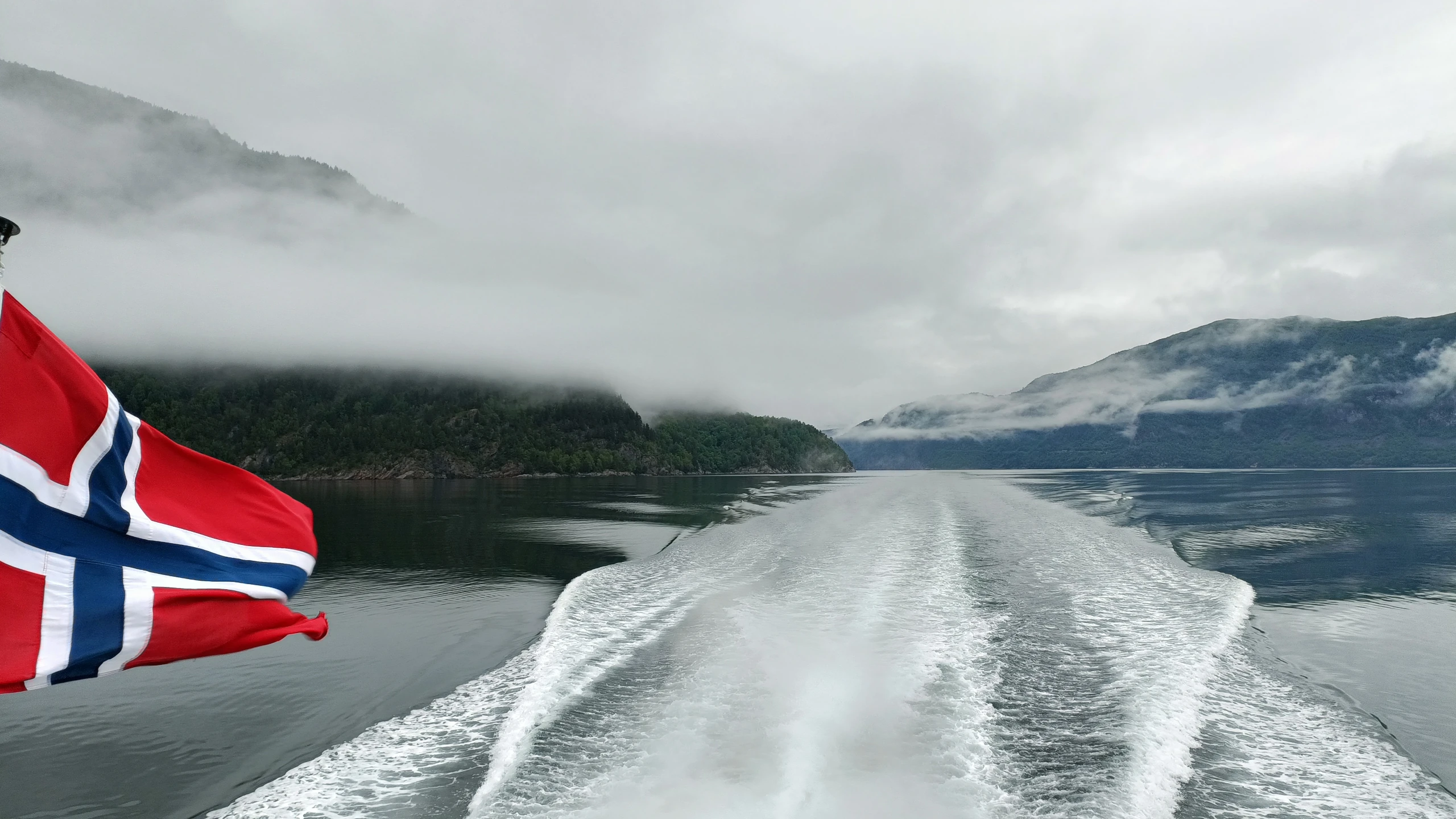
Geirangerfjord is the most dangerous place in Norway. Find out what makes it so dangerous, why you shouldn't panic, what's being done about it, and how the area lives with this risk. Extended version - also includes the Earth Science and Society content.
Take the Natural Hazards virtual field trip to Geirangerfjord →
Parys Mine, Anglesey
Earth Science, Natural Resources, Environmental Management
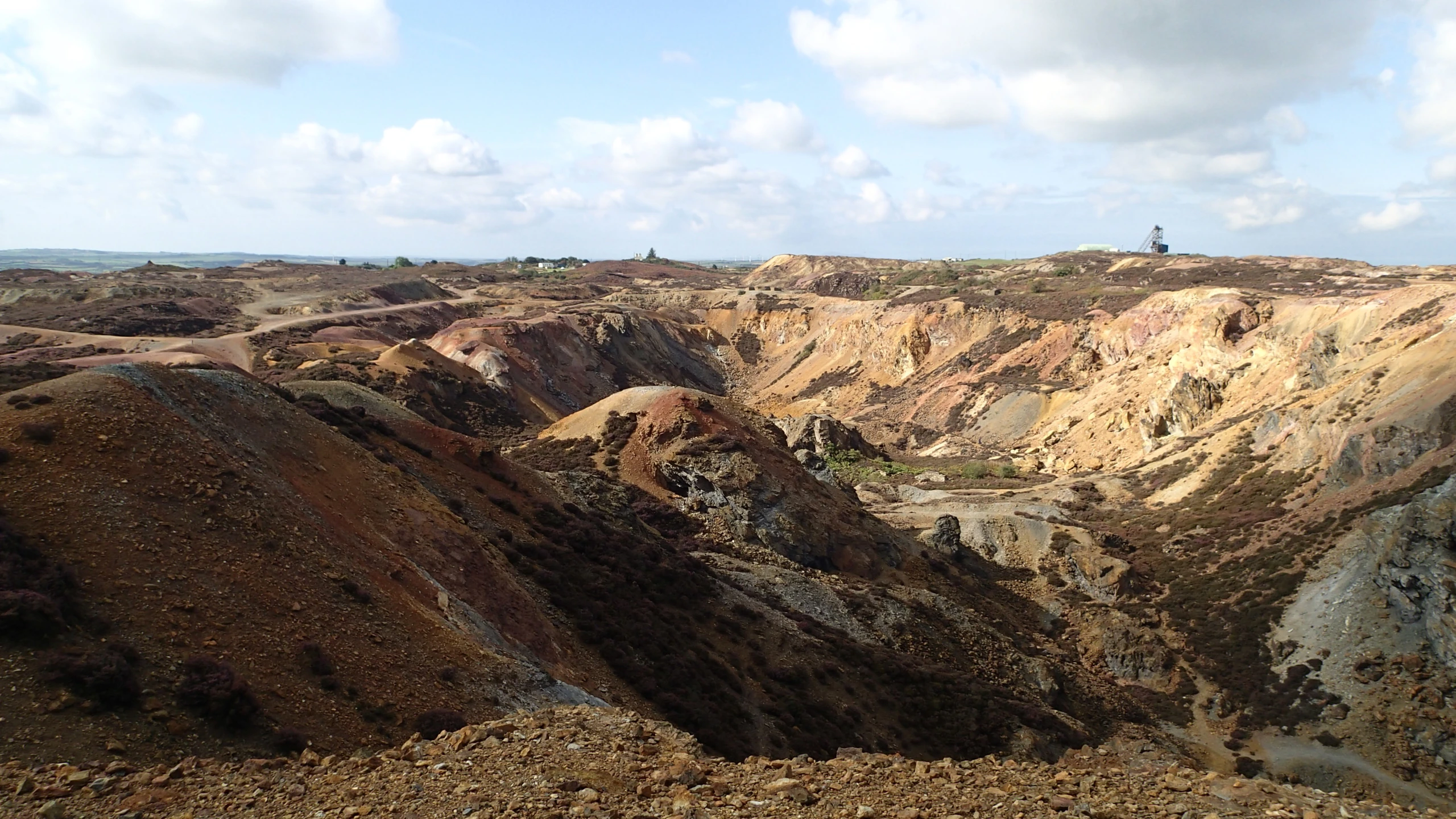
The abandoned copper mine on Parys Mountain in Angelsey, Wales, is a fantastic case study in natural resources and how they have been exploited through history - and an even better case study in the environmental impacts of un-managed resource exploitation.
Wexford and Waterford, Ireland
Earth Science and Society, Natural Resources, Geological History of Ireland and Britain
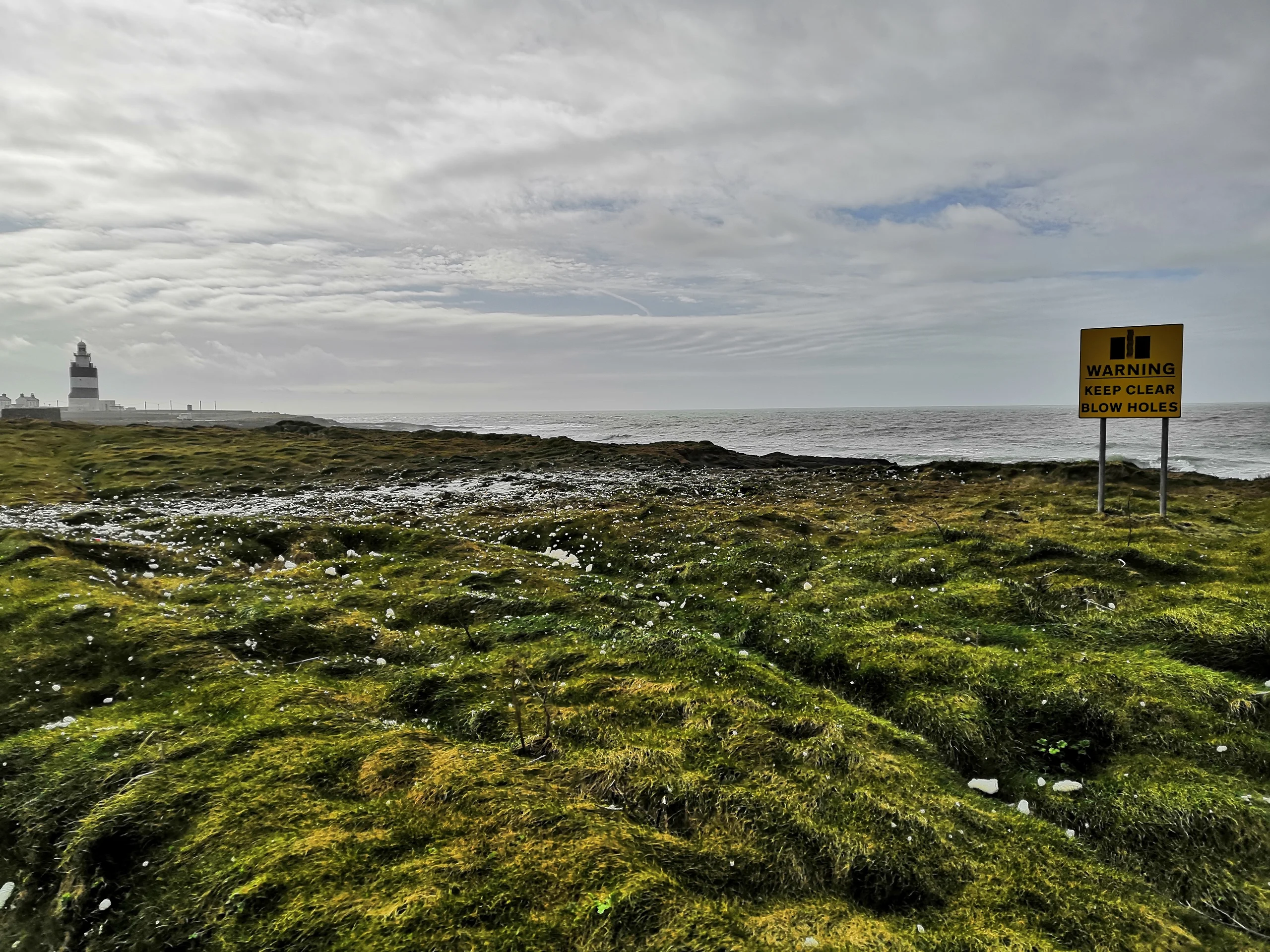
The coasts of counties Wexford and Waterford expose rocks which tell the story of more than a billion years of Ireland's geological history, from the Mesoproterozoic to the Carboniferous Period >
</div> </div> ---