GY4027

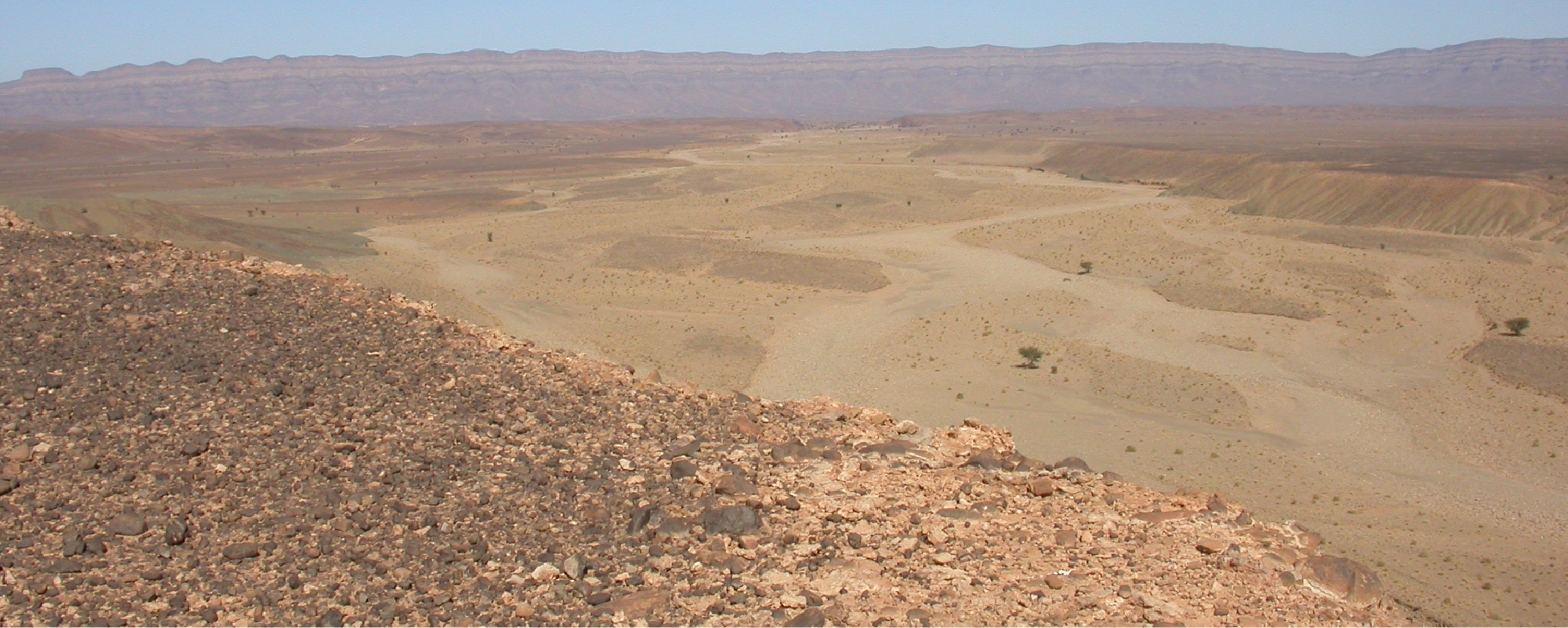
Landscape Evolution
The surface of the Earth is not static, but is constantly changing. Understanding how landscapes form and evolve is fundamental to physical geography. This module explores the landforms that make up the solid surface of the Earth, the processes which form and shape them, and the concepts and techniques used to study landscape evolution through past, present, and future environmental change.
Topics to be covered include plate tectonic processes; weathering and erosion; sediment transport agents and processes; sedimentary deposition and lithification processes; landscapes in a range of settings, including upland, glacial, fluvial, coastal, arid, and karst environments; anthropogenic landscapes, and landscape evolution. Key techniques used to study landscapes and environments past and present will be introduced, including geospatial analysis, and laboratory examination of sediments and rocks from various settings.
Course Learning Outcomes
On successful completion of this module, you will be able to:
- Describe and explain the tectonic, sedimentary, and anthropogenic processes which create and shape landscapes
- Review the landscape-shaping processes operating in various environments and settings
- Analyse environments and landscape evolution in particular geographic areas
- Display an appreciation of the scales of time and distance in landscape evolution
- Acknowledge the dynamic nature of all landscapes and environments
Topics
For each topic, you will find lecture slides (video lectures to follow), suggested reading, and some additional content.